Preparing for winter storms in the US: FEMA's Vietnamese-language info sheet on supplies, carbon monoxide, frostbite and hypothermia
Experience · 15 November 2026
Winter is approaching, and many US states can see snowstorms, ice and power outages. Ready.gov publishes a Vietnamese-language info sheet titled "Chuẩn bị cho trận bão mùa đông" (Preparing for a Winter Storm), document code FEMA P-2294, dated June 2018. Ready.gov's collection page of winter storm info sheets shows an update date of 08/05/2024 and lists a Vietnamese version along with other languages. Below are the main points, paraphrased from that document.
Before the storm
Know whether your area is at risk of winter storms, because severe weather can leave a community without power, water or services for a long time. The sheet advises preparing your home against the cold (insulation, weatherproofing) and learning how to keep pipes from freezing. Install and test smoke alarms and carbon monoxide (CO) detectors with battery backup. Watch weather forecasts and sign up for your local community alert system.
Keep enough supplies for several days at home in case of a power outage, taking into account each household member's needs, including medicine and pets, and have spare batteries for your radio and flashlight. For your vehicle, the sheet suggests keeping jumper cables, sand, a flashlight, warm clothing, blankets, bottled water and non-perishable snacks, and keeping the gas tank full.
During the storm
If a winter storm warning is in effect, take shelter immediately. Avoid driving if you can; if you are stuck in your vehicle, stay in it. Limit time outdoors and dress in warm layers. Follow emergency alerts through the Emergency Alert System (EAS) and NOAA Weather Radio, which the document mentions.
On heating safety: use generators only outdoors and away from windows, and never heat your home with a gas stove or oven because of the risk of carbon monoxide poisoning. Avoid overexertion when shoveling snow to reduce the risk of a heart attack. Check on neighbors, especially older adults and young children, who are more vulnerable to extreme cold.
Recognizing frostbite and hypothermia
Frostbite is a loss of feeling and color around the face, fingers or toes. Signs include numbness, white or grayish-yellow skin, and skin that feels hard or waxy. The sheet advises moving to a warm place and soaking the affected area in warm water or using body heat to warm it, without rubbing it or using heating pads.
Hypothermia is an abnormally low body temperature. Signs include shivering, exhaustion, confusion, fumbling hands, memory loss, slurred speech and drowsiness. Move the person to a warm place, warm the center of the body first (chest, neck, head, groin), keep them dry, and wrap them in warm blankets, including the head and neck. The sheet points to CDC information for both conditions.
This is general federal guidance. Specific advice from your state or city (shelters, snow-clearing schedules, local alerts) may differ, so also check your local government's website. The document points to more information at Ready.gov/vi/winter-weather.
Source: Ready.gov (FEMA) - Winter storm info sheet in Vietnamese - https://ready.gov/sites/default/files/2024-08/ready-gov_winter-storm_info-sheet_vietnamese.pdf
Places to stay
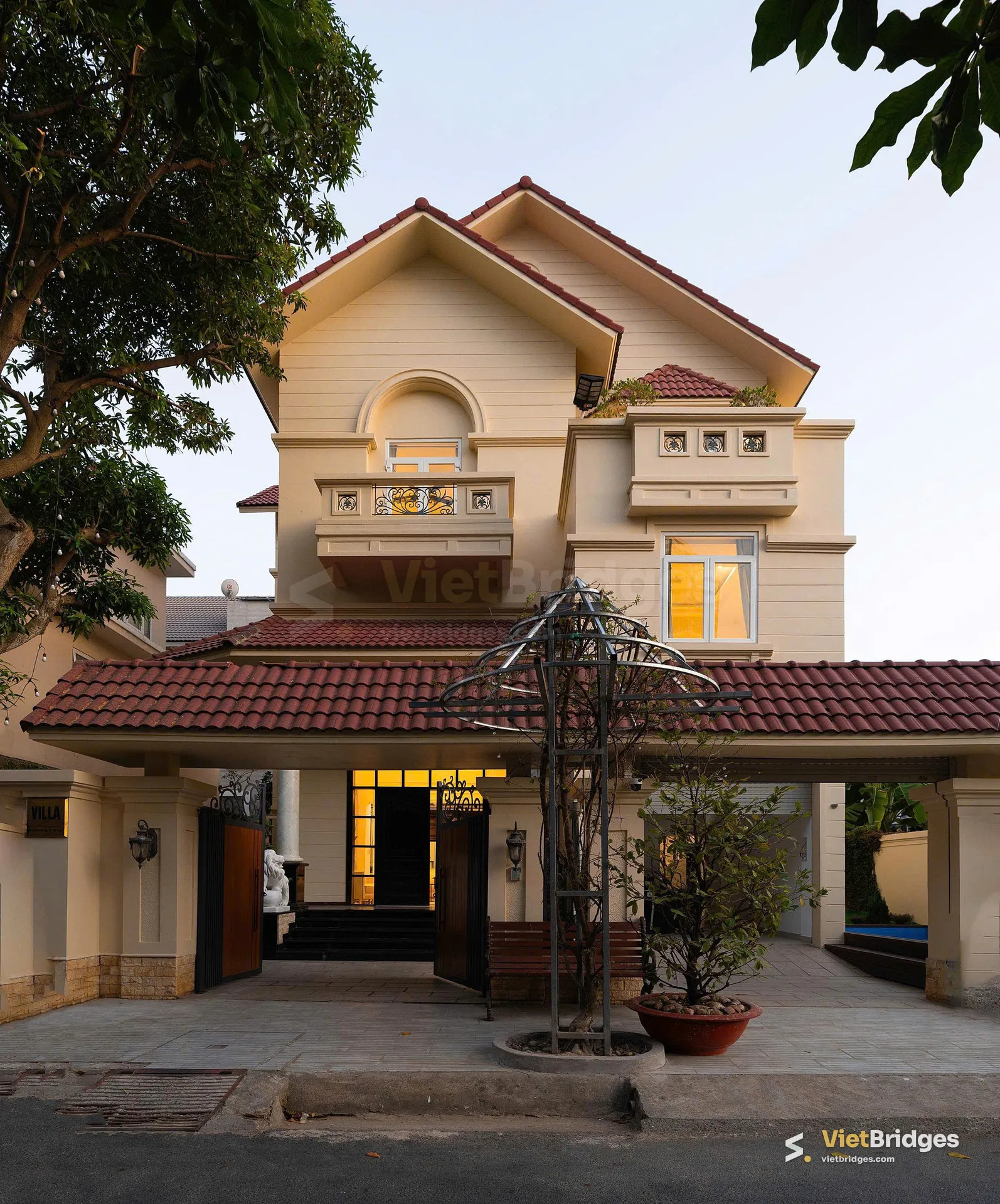 PREMIUM DETACHED POOL VILLADistrict 2, Ho Chi Minh City₫166,700,000/month
 PREMIUM VILLA THAO DIENDistrict 2, Ho Chi Minh City₫184,600,000/month
 VINHOMES CENTRAL PARK – 4BR | 3WCBinh Thanh, Ho Chi Minh City₫90,000,000/month
 PREMIUM TOWNHOUSE IN THAO DIEN – 4 BEDROOMS | FULLY FURNISHEDDistrict 2, Ho Chi Minh City₫107,700,000/month